
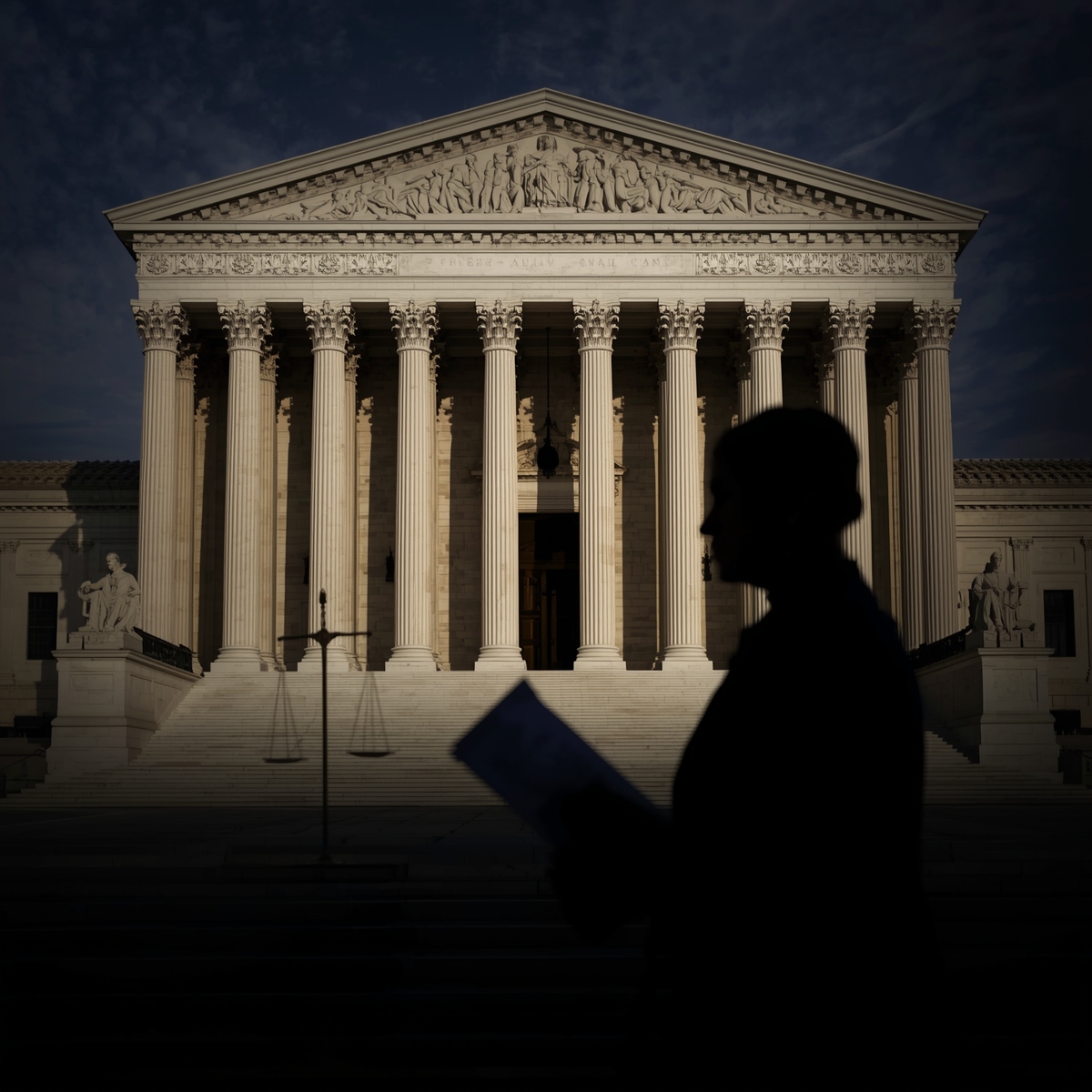
The U.S. Supreme Court has once again affirmed its stance on marriage equality by rejecting Kim Davis’s appeal, marking the end of a years-long legal battle that once divided the nation. Davis, the former Kentucky court clerk who refused to issue marriage licenses to same-sex couples, has been ordered to pay $360,000 in damages and legal fees — a costly reminder that personal beliefs cannot override public responsibility.
This decision reinforces the authority of the 2015 Obergefell v. Hodges ruling, which legalized same-sex marriage across the United States and continues to shape the country’s evolving civil rights landscape.
The Story Behind Kim Davis’s Legal Fight
Back in 2015, when the Supreme Court legalized same-sex marriage nationwide, Kim Davis made headlines for refusing to issue marriage licenses to gay couples, citing her religious convictions. Her actions ignited a fierce national debate over the balance between faith and law, and she was even briefly jailed for contempt of court..
Supporters hailed her as a defender of religious liberty, while critics saw her as an example of discrimination under the guise of faith. Now, nearly a decade later, the Supreme Court’s latest decision has closed the final chapter in her legal saga — and in doing so, reaffirmed that government officials must uphold the law for everyone equally.
Supreme Court Sends a Clear Message to Kim Davis
The justices declined to hear Davis’s appeal without comment, effectively upholding the lower-court ruling that found her liable for damages. Legal analysts say the move underscores a key message: religious freedom does not grant immunity from performing lawful public duties.
Despite growing calls from certain conservative groups to revisit the Obergefell ruling, the Court’s silence shows that marriage equality is here to stay. Even with a conservative-leaning bench, there appears to be little appetite to reopen a debate that was settled nearly ten years ago.
Clarence Thomas’s Stand — and What It Means
Justice Clarence Thomas has previously criticized the Obergefell decision, arguing that it conflicts with religious freedom. However, no other justice joined him in that view this time. His lone dissent highlights that while there are still ideological divisions within the Court, the legal foundation for same-sex marriage remains strong and widely accepted.
The Court’s refusal to take up the Davis case also shows that, politically and socially, the nation has moved forward. Polls indicate that around 70% of Americans now support same-sex marriage, a significant rise from just a decade ago.
A Costly Defiance
The financial outcome of Kim Davis case is significant. The lower court ordered her to pay $360,000 in damages and attorney’s fees to one of the couples she denied. Her legal team argued that her refusal was a matter of faith, not discrimination — but the courts ruled that personal belief cannot excuse an official from performing their legal duties.
This serves as a precedent that public service must remain neutral, ensuring that all citizens receive equal treatment under the law, regardless of an official’s religious stance.
Faith vs. Public Responsibility
The Davis case remains a reminder of the delicate balance between religious liberty and public accountability. In a diverse democracy, the line between personal conviction and professional duty can be difficult to define — but the law remains clear: public offices exist to serve all citizens equally.
The latest Supreme Court move solidifies that stance, emphasizing that faith cannot be used as a shield against equality. For more examples of how legal battles and political events continue to shape public trust, explore Pappu Yadav Seeks Increased Security, an insightful piece on political accountability and leadership challenges.
For broader political coverage and breaking developments, visit World Updates, a reliable source for daily international and U.S. news.
The Broader Message to Kim Davis
The Court’s rejection of Kim Davis’s appeal symbolizes a pivotal moment in America’s ongoing journey toward equality. It underscores that civil rights are not up for debate, even when challenged under religious or political grounds.
Davis’s case will continue to be cited in discussions of faith and governance, but this latest decision ensures that marriage equality remains protected and legally untouchable. It’s not just a legal outcome — it’s a reaffirmation of the values of fairness, justice, and inclusion that define modern America.