
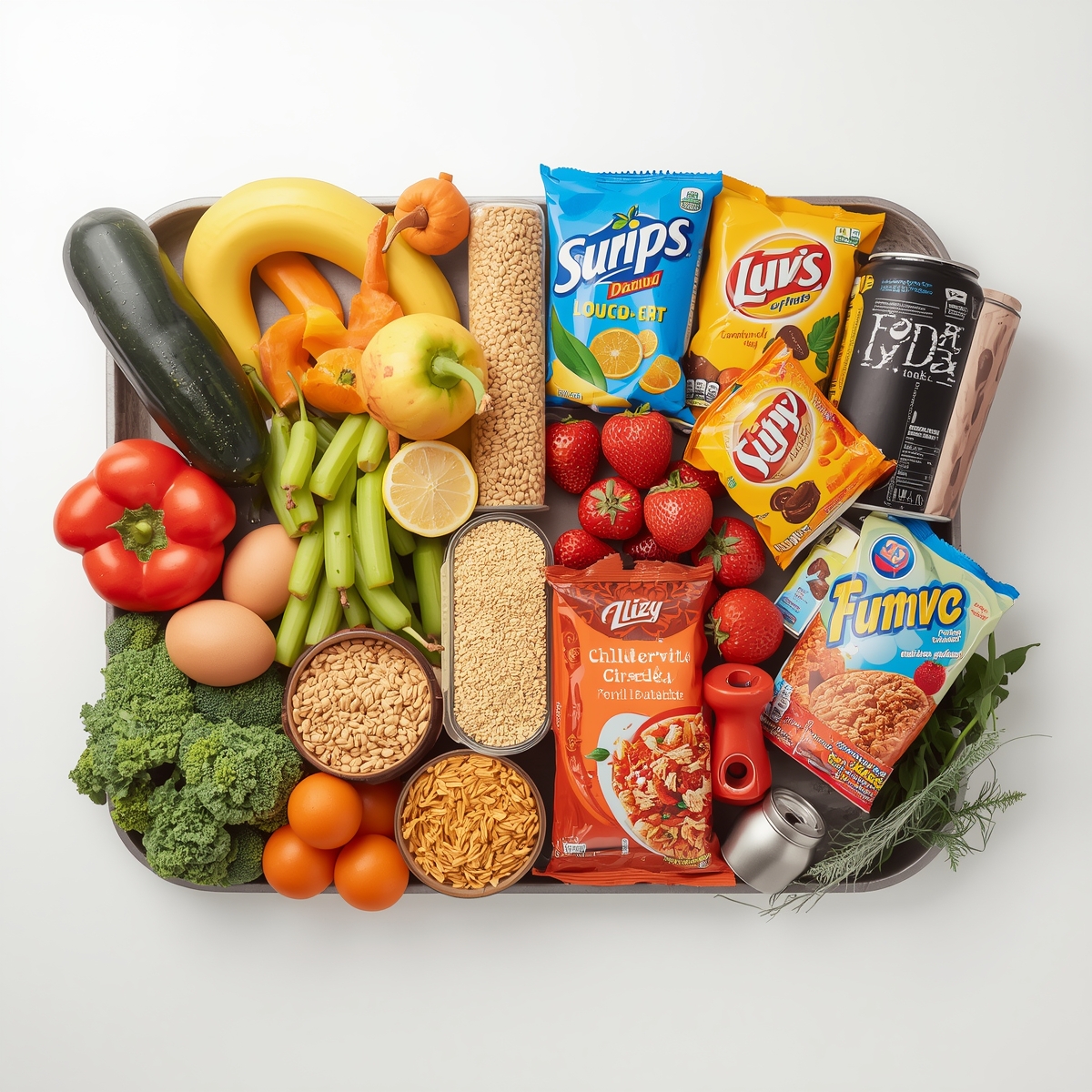
Ultra processed foods have quietly taken over breakfast tables, office lunch boxes, and late-night snacks around the world. These products are cheap, tasty, and incredibly convenient — which is exactly why people buy them without a second thought. But as nutrition researchers dive deeper into global eating patterns, they are raising important questions about how these foods may be affecting long-term health.
In many countries, a shift away from home-cooked meals toward packaged, ready-made products has become the new normal. This shift is now at the center of major scientific discussions as more studies highlight a link between high UPF consumption and chronic health issues. Understanding what ultra processed foods are — and how they shape modern diets — can help people make better decisions every day.
What Are Ultra Processed Foods? A Simple Explanation
Ultra processed foods are industrially manufactured products that undergo extensive processing and include additives you would rarely find in a typical kitchen. These additives help improve flavor, texture, shelf life, and appearance.
They often contain:
- Artificial flavors
- Color enhancers
- Emulsifiers
- Preservatives
- Sweeteners
- Stabilizers
These foods are designed to be hyper-tasty and convenient, but they typically lack the nutrients your body needs for long-term health.
Common examples include:
- Soft drinks and energy drinks
- Instant noodles
- Packaged pastries and cakes
- Processed meats
- Chips, crackers, and flavored snacks
- Ready-made frozen meals.
Their widespread availability makes them a daily part of life for millions of people.
Why Ultra Processed Foods Are Dominating Modern Diets
The global rise of ultra processed foods didn’t happen overnight. It is the result of rapid urbanization, long work schedules, rising food prices, and aggressive marketing by major food companies. These products are appealing because they are cheap, last long, and are quick to prepare — making them a natural choice for busy households.
Economic constraints also push people toward processed alternatives, especially in regions where healthier foods are expensive or harder to access. As lifestyles evolve, traditional cooking is slowly being replaced by convenience-based eating.
Readers who enjoy staying updated with daily global trends, health news, and modern lifestyle shifts can find more insightful stories at:
👉 https://nfedailyupdates.com/
What Recent Studies Say About the Health Impact
According to an international review involving over 100 long-term studies, people who consume large amounts of ultra processed foods face higher risks of several health conditions. While these studies cannot prove direct causation for every case, the patterns are strong and consistent across many populations.
Health Conditions Commonly Linked to UPFs
- Obesity
- Type 2 diabetes
- Heart disease
- Hypertension
- Chronic kidney problems
- Certain cancers
- Depression and other mental health challenges
- Higher mortality rates
Although more clinical research is needed, experts say the evidence is too significant to ignore.
Why These Foods Might Affect Long-Term Health
Researchers believe several factors may contribute to these health risks:
- High levels of sugar and unhealthy fats
Many UPFs are formulated using refined sugars and oils that can cause inflammation and metabolic issues. - Low fiber and nutrient content
Compared to whole foods, UPFs contribute fewer essential vitamins and minerals. - Chemical additives and gut health disruption
Some additives may affect digestion, the microbiome, and even hormone regulation. - Engineered taste leading to overeating
These foods are crafted to be irresistible, making portion control harder.
For more details on the latest scientific findings, you can read this in-depth report:
👉 https://worldupdates62.blogspot.com/2025/11/ultra-processed-foods-health-risks-latest-research.html
Are All Ultra Processed Foods Harmful?
Not necessarily. Some products that fall under the “ultra processed” category can still be nutritious, such as fortified cereals, certain wholegrain breads, and baby formula. The debate among experts centers on degree and type of processing rather than the category itself.
The key issue is that many diets around the world now rely too heavily on UPFs, replacing balanced meals with calorie-dense, nutrient-poor alternatives.
How People Can Reduce Their Dependence on UPFs
It is unrealistic to expect people to remove all ultra processed foods immediately. However, small changes can significantly improve overall health.
Here are practical tips:
- Cook simple meals at home more often
- Replace sugary drinks with water, lemon water, or fresh juices
- Choose snacks like fruits, yogurt, or nuts
- Check ingredient labels and avoid long lists of unfamiliar additives
- Include more vegetables and whole grains in meals
These habits help balance convenience with nutrition.
A Growing Global Concern
Ultra processed foods are deeply embedded in modern living, and they’re not disappearing anytime soon. However, awareness is growing as researchers highlight the potential long-term consequences of overconsumption. Governments, health experts, and consumers alike are rethinking how these foods fit into daily life.
People don’t need to eliminate them altogether — but understanding what’s inside these products and how they influence health can help build a more mindful approach to eating. As research continues to evolve, discussions about ultra processed foods will likely become even more prominent.