
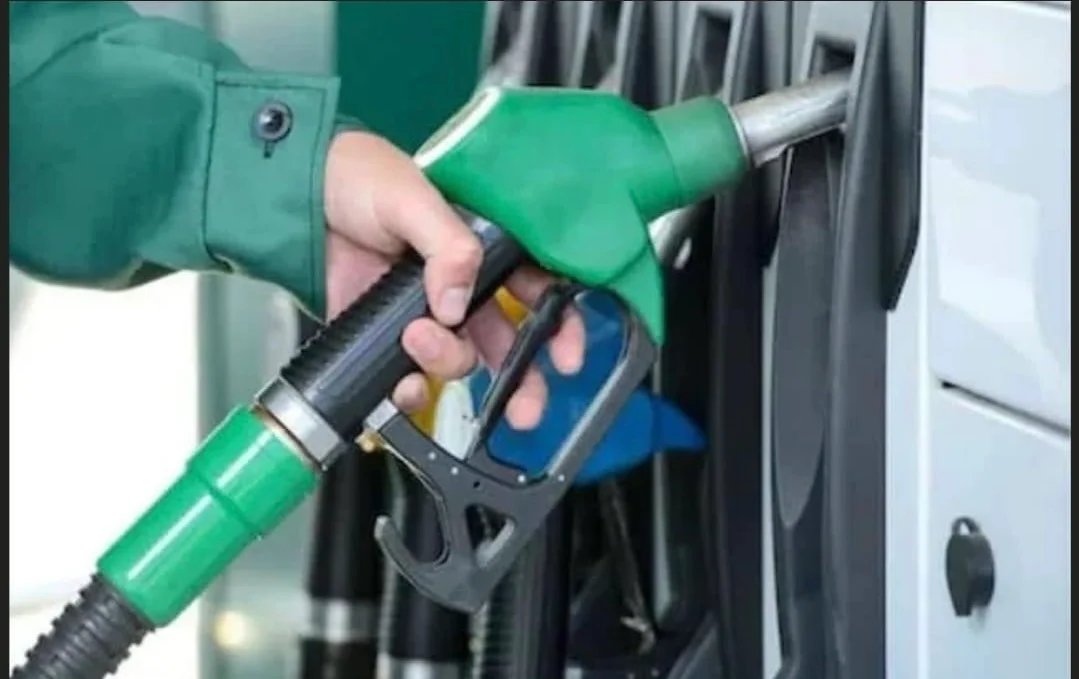
Government Freezes Fuel Prices for Two Weeks In a significant move aimed at providing financial relief to the public, the federal government has announced that petrol and diesel prices will remain unchanged for the next two weeks. Petrol will continue to cost Rs. 248.38 per liter, while high-speed diesel will stay at Rs. 255.14 per liter. This decision comes as a much-needed respite for citizens struggling with the rising cost of living and inflation. By freezing fuel prices temporarily, the government hopes to alleviate some of the financial pressures on households and businesses alike.
If you’re looking to start a business or expand your product range, finding high-demand, low-competition products is crucial. This strategy helps you stand out in a crowded market. Discover effective research methods, tools, and actionable steps to identify profitable opportunities. Click here to learn more!
Decision Anchored in Global Market Analysis:
The choice to keep fuel prices unchanged was carefully considered. It came after an extensive review of global oil market trends, which have seen fluctuations due to international economic conditions and geopolitical developments. The Oil & Gas Regulatory Authority (OGRA) played a pivotal role in assessing these trends and offering its expert insights.
The Finance Ministry, after reviewing OGRA’s recommendations, opted for price stability to shield the public from abrupt increases. By choosing to absorb some of the potential impacts of global market volatility, the government has shown its commitment to ensuring affordability for its citizens, even in challenging times.
Temporary Relief in Challenging Times:
This freeze on fuel prices offers a glimmer of hope for many who are grappling with the challenges of rising living costs. In recent months, high inflation rates have significantly impacted household budgets, making essential goods and services less affordable.
By stabilizing fuel prices, the government aims to curb the ripple effects of fuel-related inflation. Since transportation costs heavily depend on petrol and diesel prices, keeping them steady is a crucial step in preventing further economic strain on the average citizen.
Positive Impact on Transportation and Business:
Transportation and logistics are two critical sectors that are directly influenced by fuel prices. When fuel costs rise, the expense of moving goods and services increases, which often translates into higher prices for consumers. By freezing prices, the government is helping to maintain stable costs in these sectors, which benefits everyone from businesses to individual commuters.
For businesses, particularly those in logistics, delivery, and manufacturing, this stability allows for better planning and budget management. Similarly, public transport users and small-scale entrepreneurs relying on fuel for daily operations can breathe a sigh of relief, knowing their expenses won’t increase in the immediate future.
A Short-Term Measure for Economic Balance:
While the price freeze is a positive development, it is important to note that it is a temporary measure. The government is carefully balancing the pressures of international oil price fluctuations with the need to sustain the local economy. Maintaining fuel prices requires a strategic approach, as it involves managing subsidies, tax revenues, and other economic factors.
By opting for a short-term freeze, the government is buying time to assess global market conditions while keeping the domestic economy stable. This measured approach reflects an understanding of both immediate public needs and long-term financial responsibilities.
Price Review After Two Weeks:
The current stability in fuel prices comes with a caveat: the freeze is only valid for two weeks. After this period, the government will conduct a review based on updated global oil market trends and domestic financial conditions.
This means there is a possibility of future changes, depending on how international oil prices evolve and the state of the local economy. Citizens and businesses are advised to remain cautious and plan for potential adjustments to fuel costs in the near future.
Government’s Strategy: Balancing Relief and Responsibility:
The government’s decision to freeze fuel prices highlights its effort to strike a delicate balance between offering financial relief to the public and maintaining fiscal responsibility. While absorbing the impacts of global market fluctuations, the administration is also mindful of the economic challenges that come with subsidizing fuel costs.
This strategy demonstrates a commitment to public welfare while recognizing the importance of sustainable economic policies. By providing immediate relief, the government is showing empathy toward citizens, many of whom are facing financial hardships.
Broader Implications of Fuel Price Stability:
Stable fuel prices have far-reaching implications beyond immediate consumer savings. They contribute to overall economic stability by reducing uncertainty for businesses and limiting inflationary pressures. When fuel costs are predictable, businesses can better manage their operational budgets, and transportation costs for goods and services remain consistent.
Moreover, steady fuel prices create a positive environment for industries such as agriculture, manufacturing, and retail, where transportation plays a significant role. This stability helps maintain affordable prices for essential goods, benefiting consumers at large. If you want to know cheap web hosting in Pakistan, Hostinger web-Hosting is one of the Best option.
Conclusion: A Welcome Respite for Citizens:
The government’s decision to freeze petrol and diesel prices is undoubtedly a welcome step for the public. By keeping prices steady, the administration is offering a brief period of relief during challenging economic times. However, this measure is temporary, and a review in two weeks will determine the next course of action.
While uncertainties about future prices remain, this decision underscores the government’s commitment to addressing public concerns and managing economic pressures effectively. For now, citizens can enjoy a short-term reprieve from rising fuel costs, giving them a chance to navigate other financial challenges with slightly less strain.